How to choose the neighbourhood
Milan is not a huge city, but distances matter. A cheap hotel far from the metro can cost you more in time and taxis than you save on the room. Before choosing, ask yourself three questions.
Why are you coming to Milan
Sightseeing, work, a trade fair, a concert, shopping, visiting family: each reason points to a different area. Someone coming for the fair at Rho does not need to sleep under the Duomo; someone spending three days in museums does.
How will you get around
If you will be on foot and using the metro, stay near a stop, ideally on a line that reaches the centre without changes. If you will be using a chauffeur-driven car you have more freedom, but you have to allow for traffic.
What do you want to find in the evening
Some areas empty out after office hours, others come alive precisely in the evening. For a couple on holiday it matters to be able to walk out to dinner; for a business traveller it matters to sleep well.
The historic centre and the Duomo
Pros
Staying between the Duomo, La Scala and the Castello means you can do almost everything on foot: the monuments, the museums, shopping, restaurants. It is the most convenient choice for a short first sightseeing trip.
Cons
Hotels in the centre are pricier on average. Some streets are very touristy, and in the evening the restaurants around the Duomo are not always the best. The centre is inside Area C, the restricted traffic zone with paid access: anyone arriving in their own car needs to bear it in mind.
Best for
First-time visitors, couples, short stays.
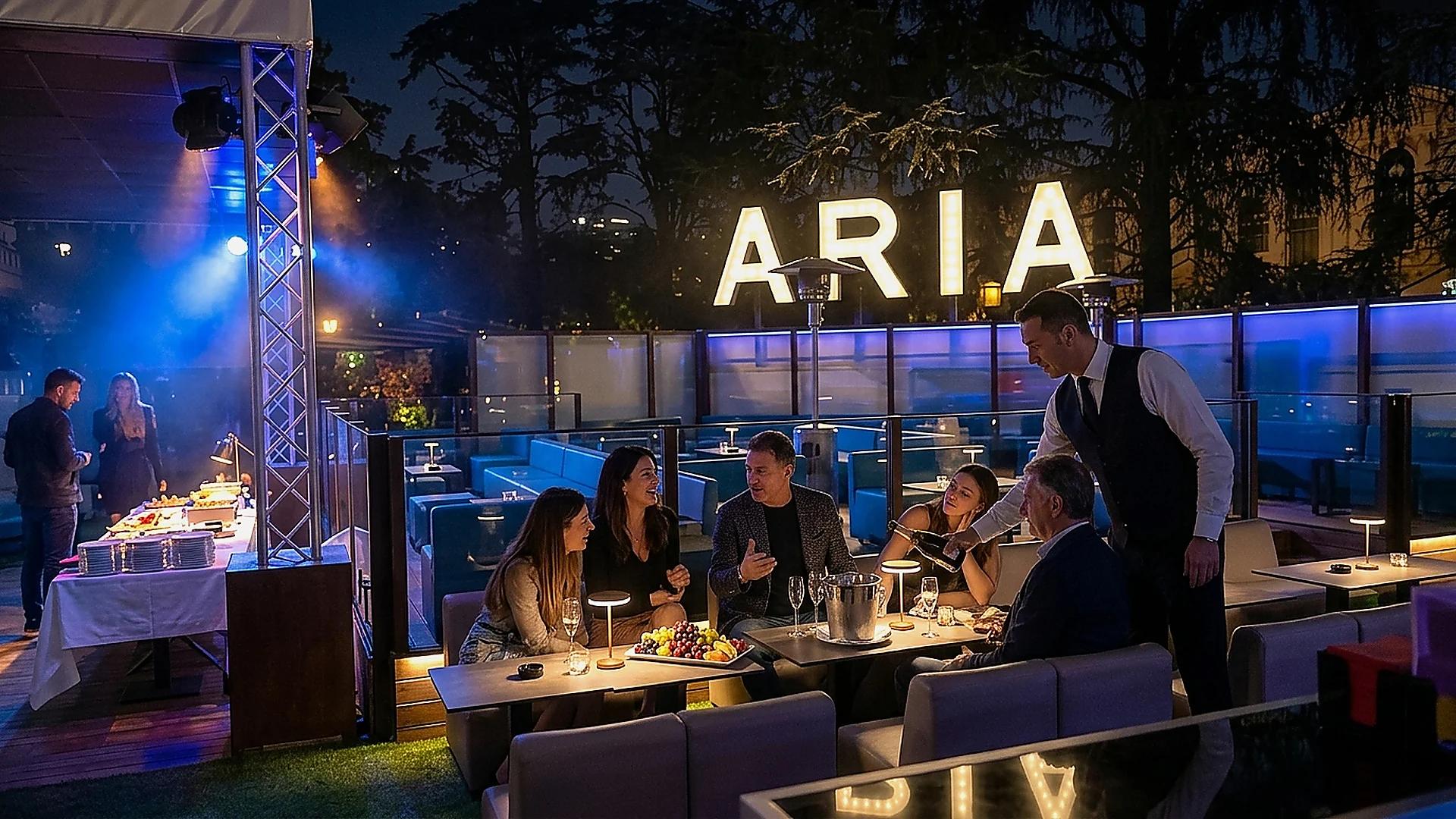
Brera and the Quadrilatero
Pros (Brera and the Quadrilatero)
Brera is the artists' quarter, with pedestrian streets, galleries, restaurants and elegant bars. The nearby Quadrilatero della Moda has some of the most luxurious hotels in the city. You are a few minutes' walk from the Duomo and can go out in the evening without any transport.
Cons (Brera and the Quadrilatero)
High prices, especially during fashion weeks and the Salone del Mobile. Brera's narrow streets get lively in the evening: light sleepers should ask for an inner room.
Best for (Brera and the Quadrilatero)
Couples, leisure trips, shoppers. For a day in the boutiques there is our guide to shopping in the Quadrilatero.
Milano Centrale
Pros (Milano Centrale)
Around Milano Centrale there are many hotels in every category. The station is served by high-speed trains, the Malpensa Express and airport coaches, and by two metro lines. For anyone arriving and leaving by train or taking day trips out of town, it is very practical.
Cons (Milano Centrale)
The area immediately around the station is very busy and, as at many big European stations, some streets are less pleasant in the evening. Choose a hotel on a main, well-lit street.
Best for (Milano Centrale)
Short business trips, train travellers, day-trippers.
Porta Garibaldi, Porta Nuova and Isola
Pros (Porta Garibaldi, Porta Nuova and Isola)
This is contemporary Milan: skyscrapers, Piazza Gae Aulenti, the Bosco Verticale, offices and modern hotels. Porta Garibaldi station has regional and high-speed trains and two metro lines. Isola, behind the station, has neighbourhood restaurants and bars; Corso Como, a few steps away, is one of the liveliest nightlife areas.
Cons (Porta Garibaldi, Porta Nuova and Isola)
At weekends the Corso Como area is very noisy until late. If you want quiet, choose a side street.
Best for (Porta Garibaldi, Porta Nuova and Isola)
Business trips to the Porta Nuova offices, lovers of modern architecture, those who want to go out in the evening.
Porta Venezia
Pros (Porta Venezia)
Porta Venezia is a lively, colourful neighbourhood, with beautiful Art Nouveau buildings, the Indro Montanelli public gardens and Corso Buenos Aires, one of the city's longest shopping streets. It is well served by the metro and has plenty of restaurants and bars.
Cons (Porta Venezia)
Some streets are very lively in the evening, especially at weekends.
Best for (Porta Venezia)
Younger travellers, those who want a lived-in neighbourhood, those looking for a good balance between price and location.
The Navigli and Porta Genova
Pros (The Navigli and Porta Genova)
Staying on the Navigli means having the canals, the Darsena, bars and restaurants right outside the hotel. It is the most casual and lively area, perfect for those who want to experience Milan's evenings.
Cons (The Navigli and Porta Genova)
It is noisy in the evening, especially in summer and at weekends. The streets are narrow and parking is difficult. The centre is a few minutes away by metro, but not a quick stroll.
Best for (The Navigli and Porta Genova)
Trips with friends, young couples, those coming for the nightlife. For aperitivo by the canals there is our site on aperitivo in Milan.
CityLife and the Fiera Milano City area
Pros (CityLife and the Fiera Milano City area)
The CityLife district, with its towers and park, is modern and quiet. Nearby is the Fiera Milano City convention centre, which hosts conferences and congresses. For anyone attending a congress, staying here means walking to it.
Cons (CityLife and the Fiera Milano City area)
The evenings are quieter than in other areas. For the historic centre you need the metro.
Best for (CityLife and the Fiera Milano City area)
Congress delegates, business trips, families looking for peace and quiet.
Near the Rho trade fair
Pros (Near the Rho trade fair)
For anyone coming to a big fair at the Rho exhibition centre, staying near the fair or along the red metro line that serves it saves a lot of time every morning.
Cons (Near the Rho trade fair)
It is not the area for a sightseeing stay. During the most important fairs, hotels in the area are full months ahead.
Best for (Near the Rho trade fair)
Exhibitors and fair visitors. All the services for trade-fair visitors are on our site on services for Milan trade fairs.
Città Studi and Lambrate
Pros (Città Studi and Lambrate)
A university area, with generally lower prices, well connected by metro. Lambrate has a railway station with many regional trains.
Cons (Città Studi and Lambrate)
Far from the monuments on foot. There are fewer hotels than in the centre.
Best for (Città Studi and Lambrate)
Those with appointments at the universities, trips on a tight budget.
Sempione, the Castello and the Arco della Pace
Pros (Sempione, the Castello and the Arco della Pace)
The area around the Castello Sforzesco, Parco Sempione and the Arco della Pace is elegant, green and central. You can walk to the Castello, the Triennale and the historic centre, and in the evening Corso Sempione and the streets nearby have bars and restaurants. Cadorna station, with the Malpensa Express, is close by.
Cons (Sempione, the Castello and the Arco della Pace)
There are fewer hotels than in the centre and prices are medium to high. Some residential streets are very quiet in the evening.
Best for (Sempione, the Castello and the Arco della Pace)
Couples, families who want a park nearby, those arriving and leaving from Malpensa by train.
Porta Romana
Pros (Porta Romana)
Porta Romana is an elegant residential neighbourhood, with tree-lined streets, restaurants popular with the Milanese and the yellow metro line that takes you to the centre in a few minutes. It is a quiet area, away from mass tourism but close to everything.
Cons (Porta Romana)
Fewer monuments within reach and a smaller choice of hotels.
Best for (Porta Romana)
Returning visitors who want to live in a real neighbourhood, stays of a few days in an apartment.
Staying with children
For a family, what counts is space, quiet and a park nearby. The areas around Parco Sempione, the Porta Venezia gardens and CityLife have green spaces a few steps away. Family rooms or apartments with kitchens make the stay easier. Avoid the nightlife streets, noisy until late at weekends, and choose a hotel near the metro so you are not dependent on taxis with buggies.
Staying for work
Business travellers have different needs from holidaymakers.
Closeness to your appointments
The rule is simple: stay near the place where you will spend most of your time. For the Porta Nuova offices, Porta Nuova; for a congress at Fiera Milano City, CityLife; for a fair at Rho, the fair area or the red line.
Hotel services
Reliable wi-fi, a desk in the room, an early breakfast, a meeting room for a quick get-together: these are details to check before booking.
Early departures
For an early-morning flight or train, a hotel near the station or a car booked the evening before avoids stress. For journey times to the airports there are our guides on getting from Malpensa and on Linate and Orio al Serio.
The comparison
| Area | Best for | Evening atmosphere | Prices |
|---|---|---|---|
| Centre and Duomo | First sightseeing trip | Touristy | High |
| Brera and the Quadrilatero | Couples, shopping | Elegant | Very high |
| Milano Centrale | Work, trains, day trips | Busy | Variable |
| Porta Nuova and Isola | Work, architecture, nights out | Lively | Medium to high |
| Porta Venezia | Younger travellers | Buzzing | Medium |
| Navigli | Nightlife, friends | Very lively | Medium |
| CityLife | Congresses, quiet | Quiet | Medium to high |
| Rho | Trade fairs | Quiet | High during fairs |
| Città Studi | Universities, budget | Quiet | Medium to low |
Hotel or short-term rental
The hotel
A hotel offers a reception, room service, breakfast and somewhere to leave your luggage. For a short or business stay it is often the simplest choice.
The short-let apartment
For families, groups and longer stays, an apartment can be roomier and more convenient. The drawback is that there is no reception: who helps you if your flight arrives late, if you need a restaurant, if something goes wrong? That is why many hosts rely on an external concierge, as explained on the page about concierge for hotels and short-term rentals.
Legal obligations
In Italy hosts are required to register their guests and, in Milan, a tourist tax is charged. On arrival you will be asked for an identity document: it is a legal requirement.
What to check before booking
Whatever the neighbourhood, a few checks avoid surprises on arrival.
The real distance from the metro
"Near the metro" can mean two minutes or fifteen. Check on a map the walking distance from the nearest stop and which line serves it.
Noise
A room on the street in a nightlife area can be noisy until late. Light sleepers can ask for an inner room or a higher floor.
Air conditioning
In summer Milan is hot and humid. Air conditioning in the room is not a luxury: check it, especially in apartments and smaller hotels.
Cancellation terms
At peak times many rates are non-refundable. Before booking, read the cancellation and change terms.
When to book
Peak periods
Fashion weeks, the Salone del Mobile, big trade fairs, stadium concerts, December: at these times hotels fill up and prices rise sharply. Book months in advance. For trips during the fashion weeks there is our guide to Milan during Fashion Week.
August
In August the city empties, many hotels lower their prices, but some restaurants and shops close for the holidays.
From the airport to the hotel
Once you have chosen the neighbourhood, think about your arrival. From Milano Centrale and Cadorna you reach Malpensa by train; from Linate you get to the centre on the M4 metro. For anyone arriving with luggage, in the evening or as a group, a chauffeur-driven car takes you straight to the hotel: the options are in our guide on getting from Malpensa.
How we help
We help you choose the neighbourhood according to your programme, book the hotel or coordinate your arrival at the apartment, organise the transfer and, if you like, the rest of your stay. All with one contact person, like the other services of our concierge service in Milan.