Before you leave
A good stay in Milan is prepared in advance. Some visits are by booking only, some evenings need organising ahead, and getting around the city takes longer than you might think.
What to book in advance
The Cenacolo Vinciano, with Leonardo's Last Supper, can only be visited with a timed ticket, and places sell out weeks ahead: how to do it is explained in our guide on how to book the Last Supper. The Duomo terraces, the Pinacoteca di Brera and the big exhibitions can often be booked online to skip the queues. For an evening at La Scala you need tickets, as our guide to an evening at La Scala explains. And then there are restaurants: on Fridays and Saturdays the most popular are full days in advance.
Where to stay
For three days of sightseeing, stay near the centre or near a well-connected metro stop: you save time every day. The neighbourhoods are described in our guide on where to stay in Milan.
Getting around
The centre is best explored on foot. For longer distances the metro is the fastest option: five lines, frequent trains, and you can even pay by card directly at the gates. Trams and buses complete the network. For a day out of town or for journeys with luggage there is the chauffeur-driven car.
Day 1: the historic centre
The first day is devoted to the heart of the city: the Duomo, the Galleria, La Scala and the Castello.
Morning: the Duomo
Start in Piazza del Duomo, the centre of Milan. The cathedral can be visited inside and, by lift or on foot, from its terraces, among spires and statues with the whole city around you. Arriving early helps avoid the queues. For anyone who wants to see the Duomo from above without climbing the cathedral, there are the terraces of the bars around the square, listed on our site on Milan rooftops.
Late morning: the Galleria and La Scala
From the square you enter the Galleria Vittorio Emanuele II, the great nineteenth-century covered arcade with shops, historic cafés and its glass dome. At the other end of the Galleria is Piazza della Scala, with the opera house and Palazzo Marino. The Museo Teatrale alla Scala lets you see the auditorium from the boxes when there are no rehearsals.
Lunch
Around the Duomo there are many tourist places. It is worth moving a few streets away for a better lunch, or grabbing a panzerotto or a sandwich nearby and saving dinner for a carefully chosen restaurant.
Afternoon: the Castello Sforzesco and Parco Sempione
From La Scala, along Via Dante, you reach the Castello Sforzesco, the great fortress of the rulers of Milan. The courtyard is free to visit; the castle museums hold, among other works, Michelangelo's Rondanini Pietà and the Sala delle Asse decorated by Leonardo. Behind the castle lies Parco Sempione, with the Arco della Pace at the far end.
Evening: aperitivo and dinner
After the first day, an aperitivo at the Arco della Pace or in the centre, then a relaxed dinner. To choose where to have your aperitivo there is our site on aperitivo in Milan.
Day 2: art and Leonardo
The second day combines great masterpieces with the city's most elegant neighbourhood.
Morning: the Last Supper
If you have tickets, the Last Supper is the visit for day two. It is at Santa Maria delle Grazie, in the Corso Magenta area. After the visit you can stop at the basilica of Sant'Ambrogio, a few minutes' walk away, one of the oldest and most important churches in Milan.
Alternative to the Last Supper
If tickets are sold out, the morning can go to the Leonardo da Vinci National Museum of Science and Technology, near Sant'Ambrogio, or to the Pinacoteca Ambrosiana, home of the Codex Atlanticus.
Afternoon: Brera
The afternoon is for Brera, the artists' quarter. The Pinacoteca di Brera holds masterpieces such as Raphael's Marriage of the Virgin and Mantegna's Lamentation over the Dead Christ. After the museum, a stroll along Via Brera, Via Fiori Chiari and Via Madonnina, with their galleries, workshops and cafés. Behind the palazzo is the Botanical Garden, a small historic garden.
Evening: Brera by night or La Scala
Brera in the evening is one of the loveliest places for an aperitivo and dinner. If you have tickets, the second evening is perfect for a performance at La Scala.
Day 3: modern Milan and the Navigli
The third day shows the city of today and ends with an evening on the canals.
Morning: Porta Nuova and CityLife
Milan is also a city of skyscrapers. The Porta Nuova district, with Piazza Gae Aulenti, the Bosco Verticale and the Biblioteca degli Alberi park, shows contemporary Milan. Architecture lovers can continue to CityLife, with its towers by international architects and the park around them.
Alternative: the Quadrilatero della Moda
Shopping fans can spend the morning in the Quadrilatero della Moda, between Via Montenapoleone and Via della Spiga, described in our guide to shopping in the Quadrilatero.
Afternoon: the Navigli and the Darsena
In the afternoon head down to the Navigli. The Darsena, the city's old harbour, and the Naviglio Grande with the Vicolo dei Lavandai are among the most photographed corners of Milan. On the last Sunday of the month, with some exceptions, the towpath hosts a big antiques market.
Evening: the last night
The Navigli are the natural place for the last evening: aperitivo by the water, dinner in one of the area's osterie and, for those who want it, a venue with music after dinner. To carry on the night there is our site on bars in Milan.
| Day | Morning | Afternoon | Evening |
|---|---|---|---|
| 1 | Duomo and terraces | Galleria, La Scala, Castello Sforzesco | Aperitivo and dinner in the centre |
| 2 | Last Supper and Sant'Ambrogio | Pinacoteca di Brera and the neighbourhood | Brera or La Scala |
| 3 | Porta Nuova or the Quadrilatero | Navigli and Darsena | Last night on the Navigli |
Themed itineraries
Not everyone comes to Milan for the same reasons. If you have a particular interest, you can build one of your three days around it.
Design and architecture
Milan is Italy's design capital. The Triennale di Milano, inside Parco Sempione, hosts exhibitions of design, architecture and contemporary arts. The ADI Design Museum, near the Cimitero Monumentale, tells the story of Italian design through the objects awarded the Compasso d'Oro. The Cimitero Monumentale itself, with its chapels and sculptures, is an open-air museum of nineteenth- and twentieth-century architecture.
Contemporary art
Fondazione Prada, in the south of the city, combines converted industrial buildings and new architecture, with contemporary art exhibitions and cinema. Pirelli HangarBicocca, in a former factory in the Bicocca district, hosts large permanent installations and temporary exhibitions. The Museo del Novecento, in Piazza del Duomo, holds twentieth-century Italian art and looks out over the square from its rooms.
Music and theatre
Besides La Scala, Milan has drama theatres, concert halls and live music venues every night. A themed day can end with a jazz concert or a show, choosing tickets in advance on the official channels.
| Interest | Places | When to fit them in |
|---|---|---|
| Design | Triennale, ADI Design Museum, Cimitero Monumentale | Day 3, instead of Porta Nuova |
| Contemporary art | Fondazione Prada, HangarBicocca, Museo del Novecento | Day 3, morning or afternoon |
| Leonardo | Last Supper, Science Museum, Ambrosiana, Castello | Day 2 |
| Music | La Scala, concert halls, live music venues | One of the evenings |
Milan's evenings
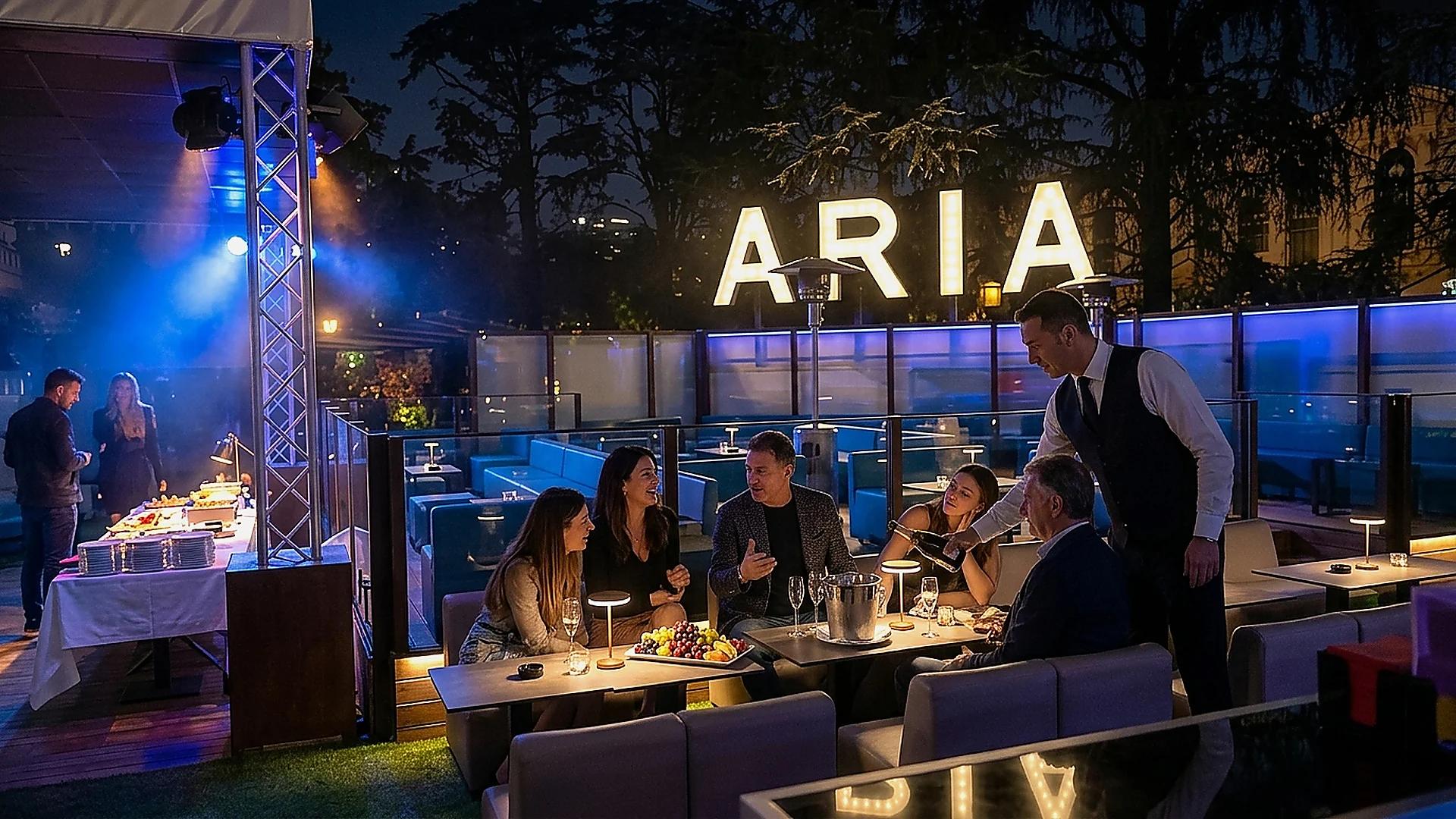
In Milan the evening counts as much as the day. In three days you can live three very different evenings.
The elegant evening
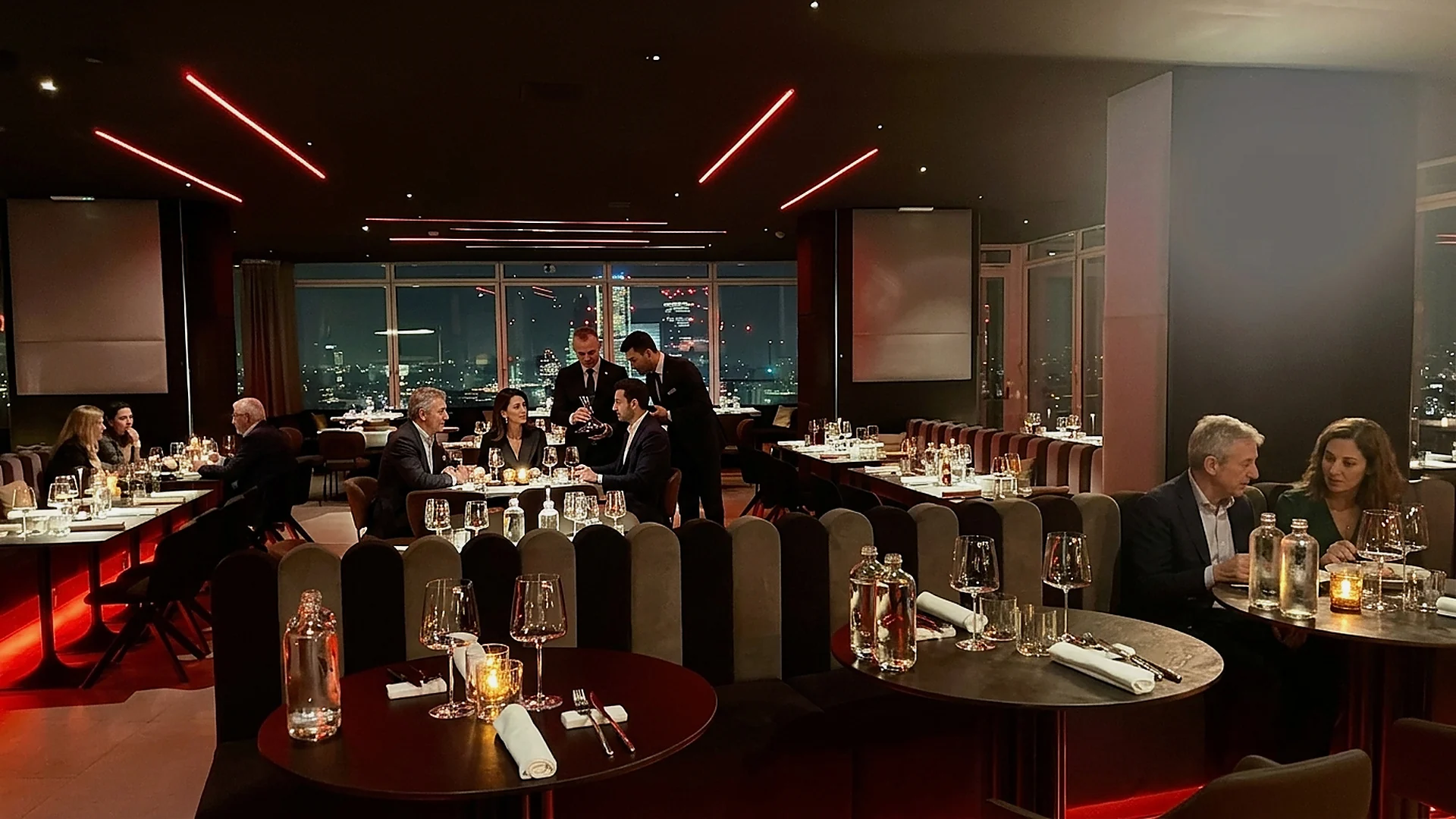
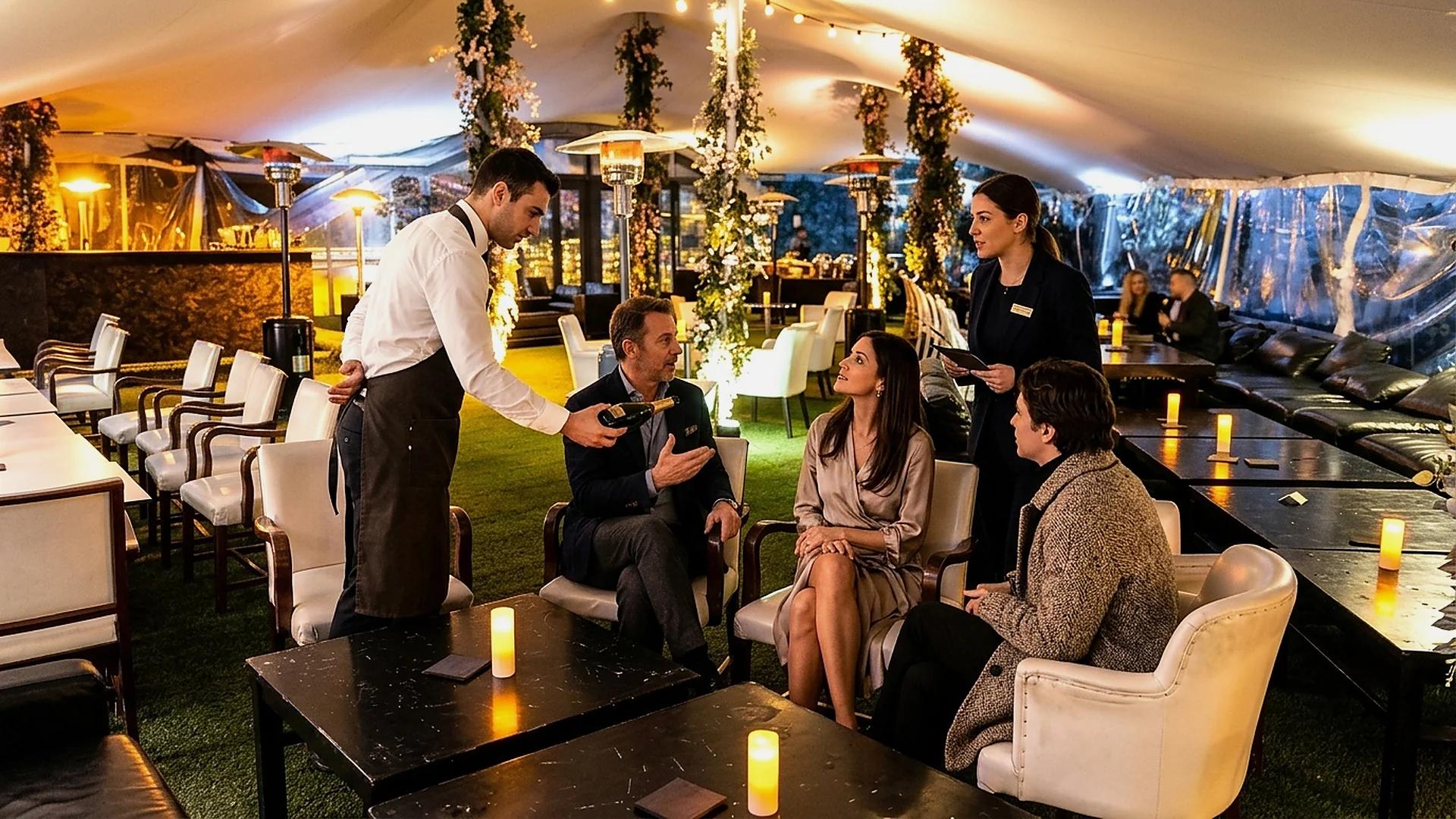
An aperitivo in a historic bar or on a terrace, dinner in a restaurant in the centre or Brera, a last drink in a cocktail bar. It is the evening to keep for the trip's special occasion.
The casual evening
The Navigli, Porta Venezia, Isola: neighbourhoods where you wander from one bar to the next on foot, with a young crowd and a relaxed atmosphere.
The long evening
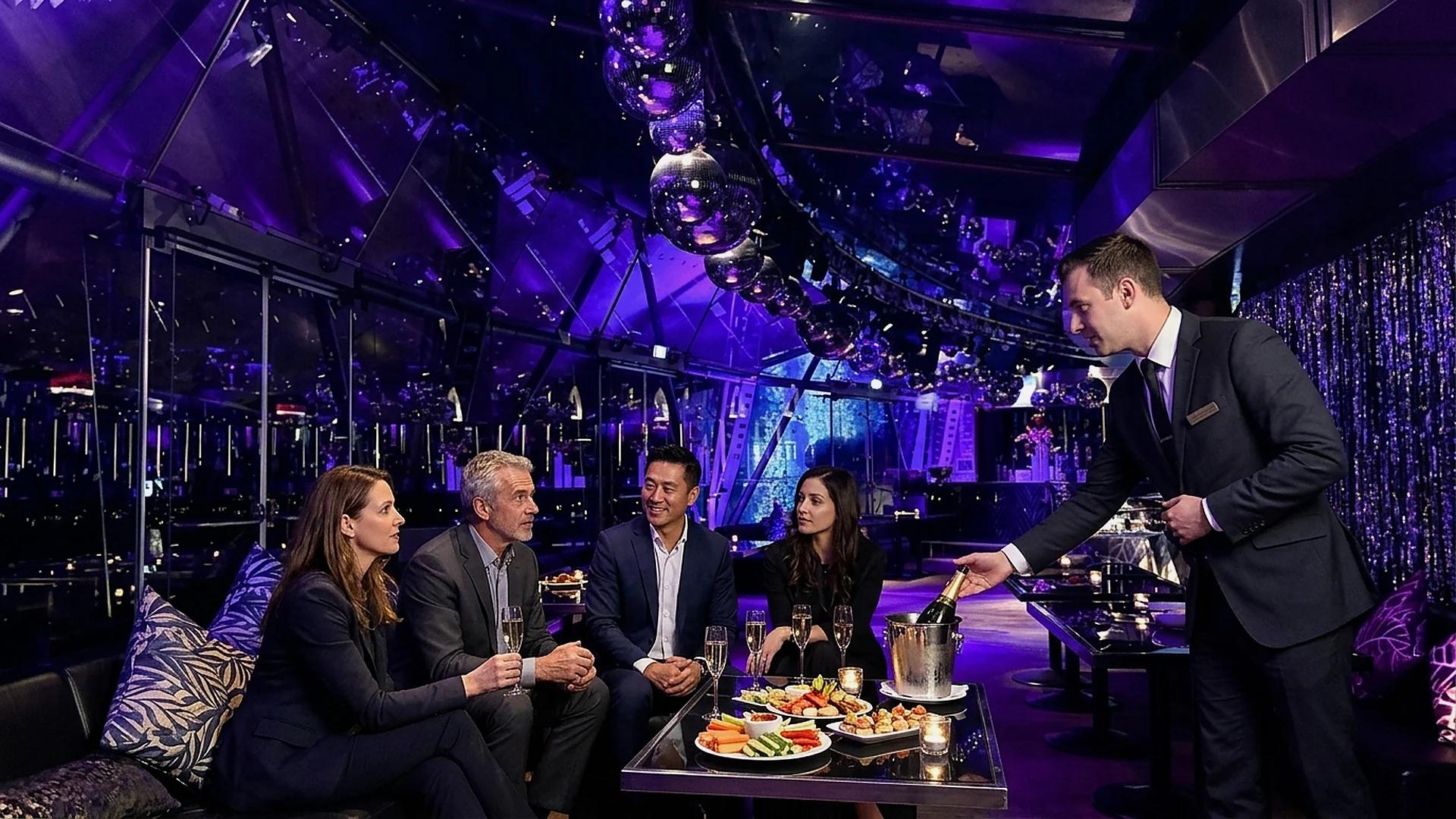
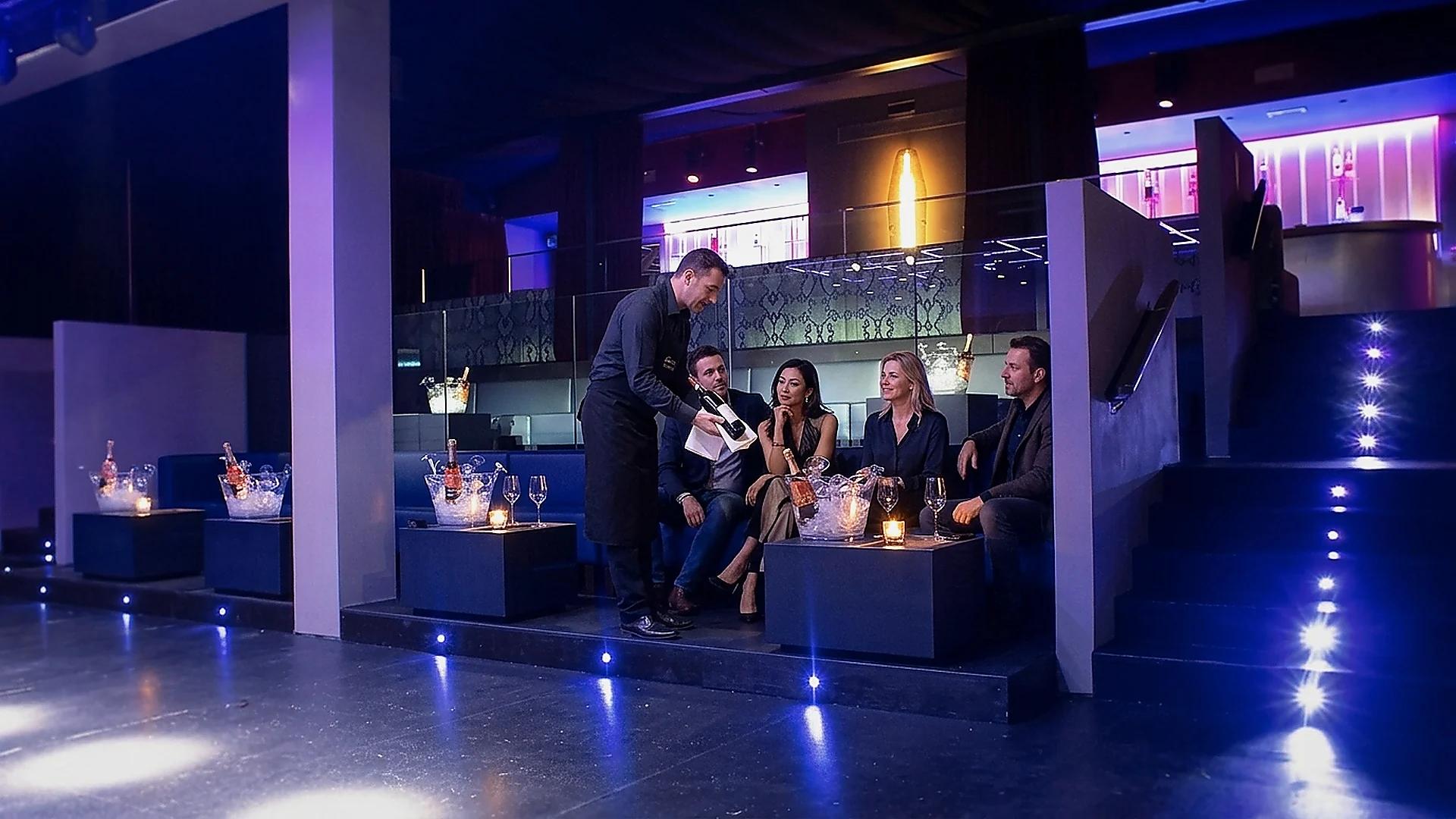
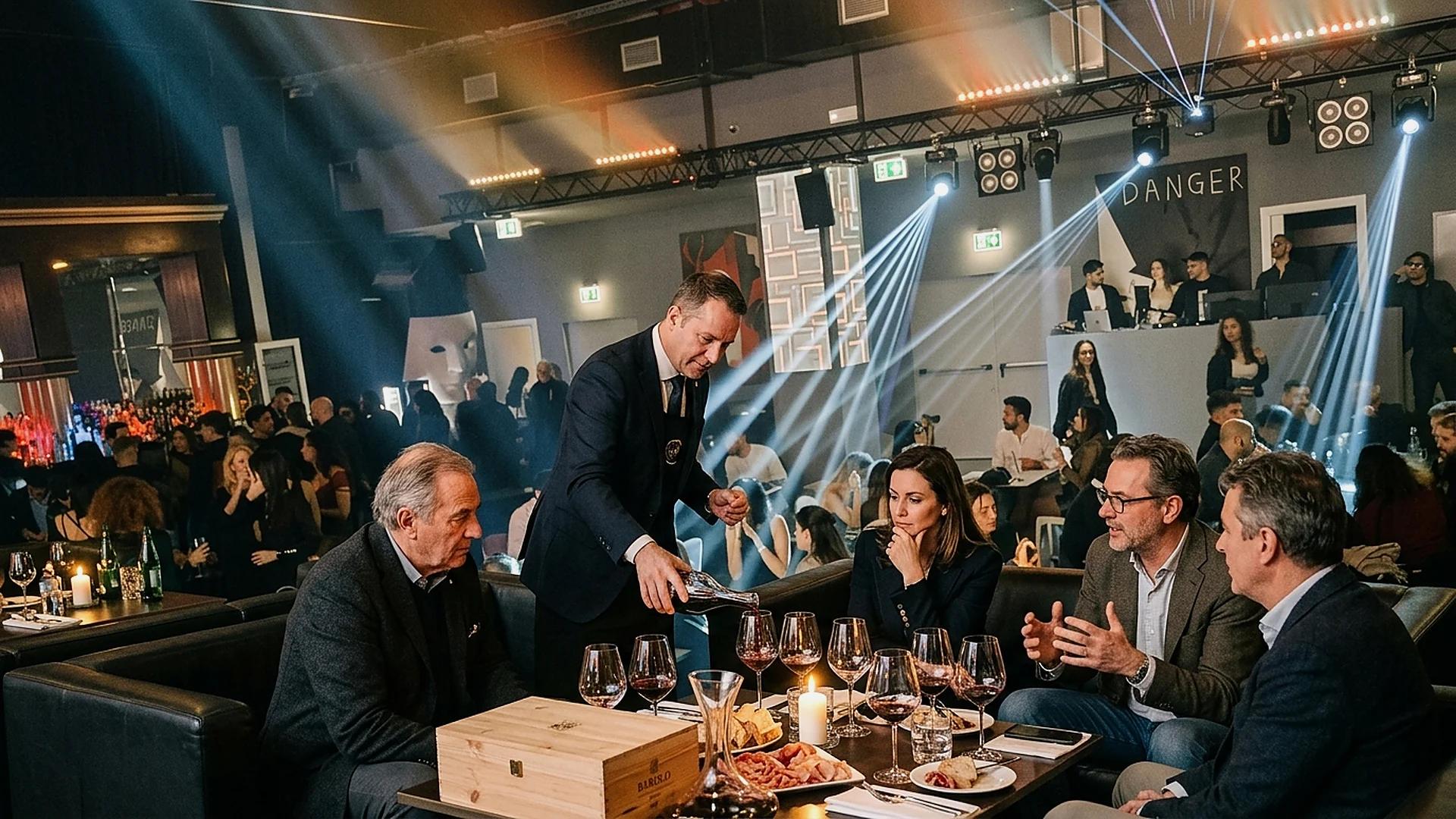
Anyone who wants to dance can end the night in one of the city's clubs, which fill up after midnight. Rules, times and bookings are on our site on Milan nightclubs.
If you have an extra day
With a fourth day, it is worth leaving the city. Lake Como and Bergamo Alta are about an hour from Milan and offer a completely different day. You will find them in our guides to a day trip to Lake Como and a day trip to Bergamo Alta.
Adapting the itinerary
Every traveller is different. A few pointers for adapting the programme.
With children
With children, alternate museums and open spaces: Parco Sempione, the Porta Venezia gardens, the Museum of Science and Technology with its interactive sections. The Duomo terraces are almost always a hit. Avoid days with too many indoor visits.
Short on time
If you only have one day, concentrate on day one of the itinerary and add a walk in Brera in the evening. With two days, combine days one and three, keeping the Last Supper if you have found tickets.
For returning visitors
If you already know the centre, spend your time on the neighbourhoods: Isola, Porta Venezia with its Art Nouveau buildings, NoLo, Porta Romana. And on the exhibitions, which change often in Milan.
At peak times
During fashion weeks, the Salone del Mobile and the big trade fairs the city is full: pricier hotels, sold-out restaurants, longer queues. If your trip falls in these periods, book everything as early as possible. For trips during the fashion weeks there is our guide to Milan during Fashion Week.
The seasons
Spring and autumn
These are the best seasons to visit Milan: mild temperatures, long days in spring, beautiful light in autumn. They are also the periods of the big trade fairs and fashion weeks.
Summer
July is hot and humid; in August many Milanese leave and some shops and restaurants close for the holidays. The city is quieter, and museums generally stay open.
Winter
Winter is cold but often clear. December has a festive atmosphere, with lights in the centre and Christmas markets. The La Scala season opens on 7 December, the feast of Sant'Ambrogio, the city's patron saint.
Practical tips for the three days
A few Milanese habits and some practical precautions make the stay easier.
Transport tickets
Metro, tram and bus tickets can be bought at machines, newsagents and authorised bars, or you can pay by card directly at the metro gates. For three days of frequent travel there are also daily and multi-day tickets: fares and conditions should be checked on the transport company's official channels.
Meal times
In Milan people have lunch between half past twelve and half past two and dinner from half past seven onwards. Many kitchens close in the early afternoon: anyone arriving hungry at four often finds only bars and places with simple dishes.
Cover charge and service
Many restaurants apply a coperto, a fixed charge per person shown on the menu. Service is included and tipping is not compulsory.
Comfortable shoes
Central Milan is explored on foot, and some historic streets are paved with stone slabs or cobbles. Three days of sightseeing call for comfortable shoes.
Closing days
Many museums have a weekly closing day, often Monday. Before fixing your programme, check each museum's opening hours on its official website.
How we help
We can organise the whole stay: museum bookings on the official channels, restaurants chosen for each evening, airport transfers, a day out of town with a car and driver. We send you a day-by-day programme with times, addresses and confirmations, in Italian, English, French or German. All our services are on the page about concierge services.